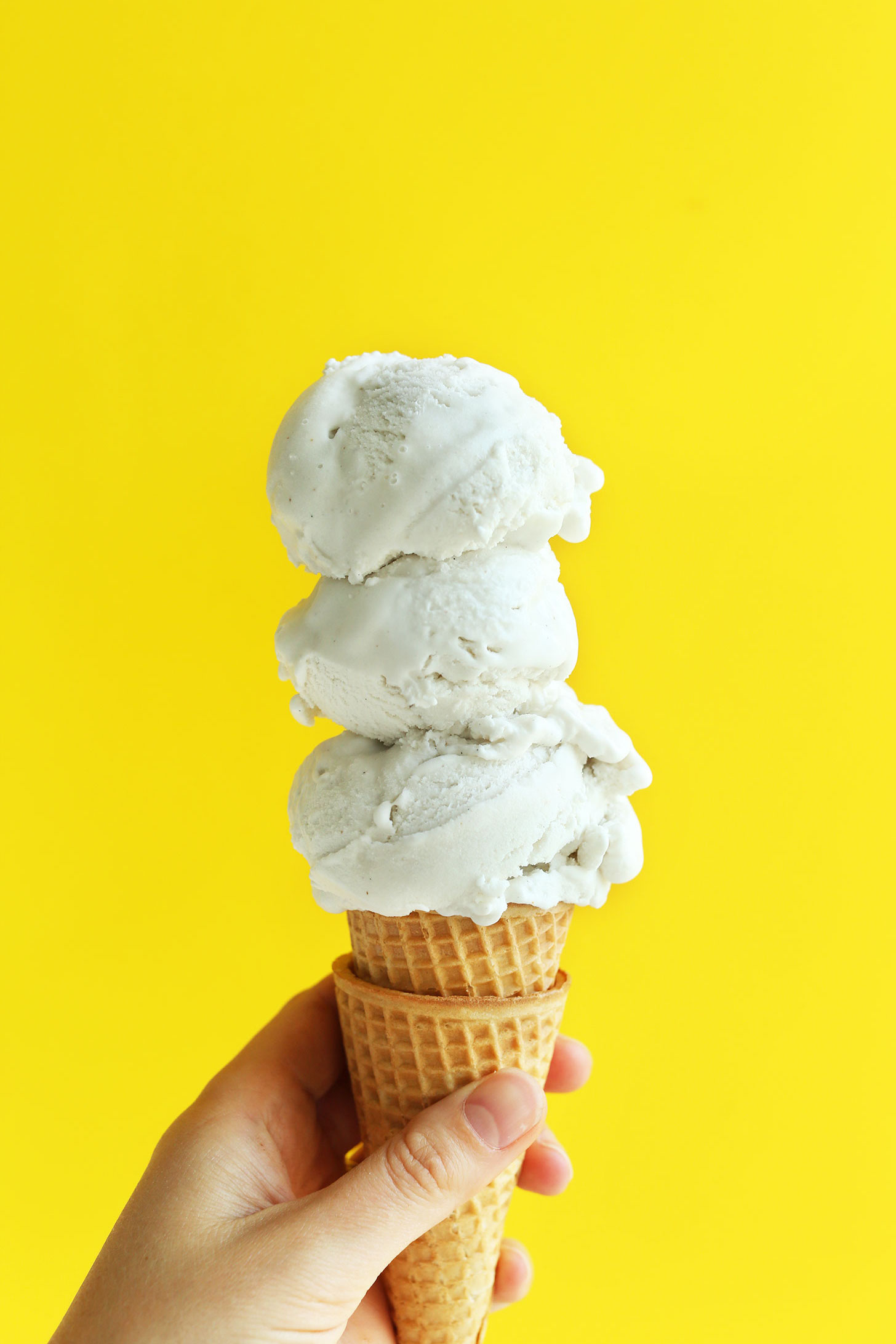
Unlock the Magic of Homemade Dairy-Free Vanilla Bean Ice Cream
Imagine a scoop of luscious, velvety smooth ice cream, bursting with the delicate, complex aroma of real vanilla beans. Now imagine that decadent treat is entirely dairy-free, vegan, and incredibly easy to make right in your own kitchen. Welcome to the world of homemade vanilla bean coconut milk ice cream – a revelation for anyone seeking a healthier, equally delicious alternative to traditional dairy desserts.
For too long, dairy-free ice cream options have left much to be desired, often falling short on texture or flavor compared to their dairy counterparts. But with the right approach and a few key ingredients, you can craft a frozen dessert that not only rivals, but often surpasses, commercially available dairy-free varieties. This article will guide you through creating an unforgettable vanilla bean coconut milk ice cream experience, from choosing the best ingredients to mastering techniques for a perfectly creamy, crystal-free scoop.
Why Homemade Vanilla Bean Coconut Milk Ice Cream Reigns Supreme
Opting for a homemade version of Creamy Vegan Vanilla Bean Coconut Milk Ice Cream Guide offers a multitude of benefits, making it a truly superior choice:
- Unmatched Flavor: The star of this show is, without a doubt, the vanilla bean. Unlike vanilla extract, which offers a singular note, real vanilla beans provide a rich, nuanced, floral, and deeply aromatic flavor profile that transforms the entire ice cream. You’ll taste the difference immediately.
- Dairy-Free and Vegan: This recipe is a dream come true for those with lactose intolerance, dairy allergies, or anyone following a vegan lifestyle. Made with full-fat coconut milk, it delivers all the creaminess without any animal products.
- Healthier Indulgence: By controlling the ingredients, you avoid artificial flavors, excessive sugars, and unknown additives often found in store-bought ice creams. Plus, you can often pronounce every single ingredient!
- Customization at Your Fingertips: While this base is divine on its own, it also serves as a perfect canvas for your culinary creativity. Add fresh berries, swirl in homemade chocolate syrup, sprinkle with toasted nuts, or even incorporate other extracts for unique flavor combinations.
- Incredibly Easy: Despite its gourmet appeal, making this vanilla bean coconut milk ice cream is surprisingly simple. With just a few core ingredients and straightforward steps, you’ll be churning out scoops of joy in no time.
Mastering the Ingredients: Your Path to Perfect Vanilla Bean Coconut Milk Ice Cream
The secret to a truly exceptional dairy-free ice cream lies in understanding and selecting your ingredients carefully. Quality matters, especially when there are so few components:
The Non-Negotiable: Full-Fat Coconut Milk
This is arguably the most crucial ingredient. Do NOT substitute with light, low-fat, or reduced-fat coconut milk. Full-fat coconut milk provides the necessary fat content and creamy texture that mimics traditional dairy ice cream. Without it, your ice cream will likely turn icy and lack richness. Brands like Thai Kitchen are often recommended for their consistent quality and high-fat content. Always shake the cans well before opening, or if you prefer, chill them overnight and scoop out the thick cream that rises to the top for an even richer base.
The Star: Vanilla Beans (or Quality Extract)
While the title emphasizes vanilla bean, and it truly offers an unparalleled flavor, you do have options:
- Whole Vanilla Beans: For the ultimate experience, procure good quality vanilla beans (Madagascar Bourbon or Tahitian are popular choices). Slit them lengthwise, scrape out the tiny, fragrant seeds (the "vanilla caviar"), and add both the seeds and the pod to your mixture during the heating phase to fully infuse the flavor.
- Vanilla Extract: If vanilla beans are hard to find or outside your budget, a high-quality pure vanilla extract can be a suitable substitute. Generally, 2 tablespoons of good extract can replace one vanilla bean. Add the extract after the heating step, once the mixture has cooled, to preserve its delicate flavor.
The Sweetener: Sugar, Honey, or Alternatives
Your choice of sweetener impacts both flavor and texture:
- Granulated Sugar: A classic choice, dissolving easily and providing a clean sweetness that lets the vanilla shine.
- Honey: Adds a unique floral note and can contribute to a slightly softer texture. If using honey, ensure it's thoroughly combined with the coconut milk.
- Liquid Sweeteners (Agave, Maple Syrup): These can also work and might be preferred for their lower glycemic index. For specific tips on how liquid sweeteners can aid in creating a softer, less icy texture, especially when combined with ingredients like arrowroot starch, check out our guide on Prevent Ice Crystals: Perfect Vanilla Bean Coconut Ice Cream.
The Unsung Hero: A Pinch of Salt
A tiny pinch of salt (e.g., 1/4 teaspoon for two cans of coconut milk) in your mixture might seem counterintuitive for a sweet dessert, but it’s a game-changer. Salt doesn't make the ice cream salty; rather, it enhances and balances the sweetness and deepens the vanilla flavor, making it truly pop.
Step-by-Step: Crafting Your Creamy Vanilla Bean Coconut Milk Ice Cream
Whether you have an ice cream maker or not, achieving creamy vanilla bean coconut milk ice cream is entirely possible.
Method 1: With an Ice Cream Maker (Recommended for Creamiest Results)
- Prepare the Base: In a small saucepan, combine your full-fat coconut milk, chosen sweetener (sugar/honey), and a pinch of salt. Slit your vanilla bean lengthwise and carefully scrape out the seeds. Add both the seeds and the vanilla bean pod to the pan.
- Heat Gently: Whisk the mixture constantly over medium-low heat. Bring it almost to a boil, then reduce heat and let it barely simmer for 3-5 minutes, just until the sugar is completely dissolved. Do not skip this heating step! It's crucial for dissolving the sugar thoroughly and preventing a clumpy, icy texture in your final product.
- Cool and Chill: Remove the vanilla bean pod. Let the mixture cool down to room temperature, then transfer it to an airtight container and refrigerate for at least 4 hours, or ideally overnight. Chilling the base thoroughly ensures your ice cream maker can churn it effectively and produce a smoother texture.
- Churn: Pour the chilled mixture into your ice cream maker and freeze according to the manufacturer's directions. This typically takes 20-30 minutes.
- Serve or Harden: Your ice cream will have a soft-serve consistency directly out of the churner. Enjoy it immediately for a delightful treat, or transfer it to an airtight freezer-safe container and freeze for another 2-4 hours to firm up to a scoopable consistency.
Method 2: No-Churn (Without an Ice Cream Maker)
While an ice cream maker yields the smoothest results, you can still achieve delicious vanilla bean coconut milk ice cream without one. Follow steps 1-3 from the "With an Ice Cream Maker" method to prepare and chill your base.
- Initial Freeze: Pour the chilled mixture into a shallow, freezer-safe glass or metal container (a loaf pan works well). Cover it tightly with plastic wrap, ensuring the wrap touches the surface of the liquid to prevent ice crystals. Place in the freezer.
- Whip and Re-freeze: Every 45-60 minutes, remove the container from the freezer. Vigorously whisk the mixture with a fork or electric mixer, breaking up any ice crystals forming along the edges and incorporating air. This step is crucial for preventing a solid block of ice and achieving a creamy texture. Repeat this whipping process 3-5 times over 3-5 hours, or until the ice cream reaches your desired consistency.
- Final Freeze: Once creamy, cover the container again and freeze for a final 2-3 hours to fully firm up before serving.
Tips for an Unforgettable Dairy-Free Ice Cream Experience
- Embrace the Chill: Both the base mixture and your ice cream maker bowl (if applicable) need to be exceptionally cold. This prevents the formation of large ice crystals and ensures a creamy result.
- Preventing Ice Crystals: Dairy-free ice creams, especially those made with coconut milk, are more prone to developing ice crystals. Beyond chilling, incorporating a small amount of a neutral spirit like vodka (about 1-2 tablespoons) or an emulsifier like arrowroot starch can dramatically improve texture and inhibit crystal formation. For a deep dive into this, refer to our article on Prevent Ice Crystals: Perfect Vanilla Bean Coconut Ice Cream.
- Serving Suggestions: While heavenly on its own, this vanilla bean coconut milk ice cream truly shines with simple accompaniments. Fresh berries (especially strawberries or raspberries), a drizzle of homemade chocolate syrup, or a sprinkle of toasted coconut flakes elevate the experience.
- Storage Savvy: Store your homemade ice cream in an airtight container in the coldest part of your freezer. It typically lasts well for 1-2 weeks, though its texture is best enjoyed within the first few days. Remember that coconut milk ice cream tends to melt faster than dairy ice cream, so serve quickly!
- Thawing Before Scooping: If your ice cream freezes very hard, let it sit at room temperature for 5-10 minutes before attempting to scoop. This will soften it just enough to make it manageable.
Conclusion
Making your own easy homemade dairy-free vanilla bean coconut milk ice cream is not just a cooking project; it's an act of culinary empowerment. You gain control over ingredients, unlock incredible flavor, and create a dessert that caters to various dietary needs without sacrificing an ounce of indulgence. With the tips and techniques shared here, you're now equipped to churn out batch after batch of this creamy, aromatic, and utterly delightful frozen treat. Get ready to impress your taste buds and share the joy of truly superior dairy-free ice cream!
