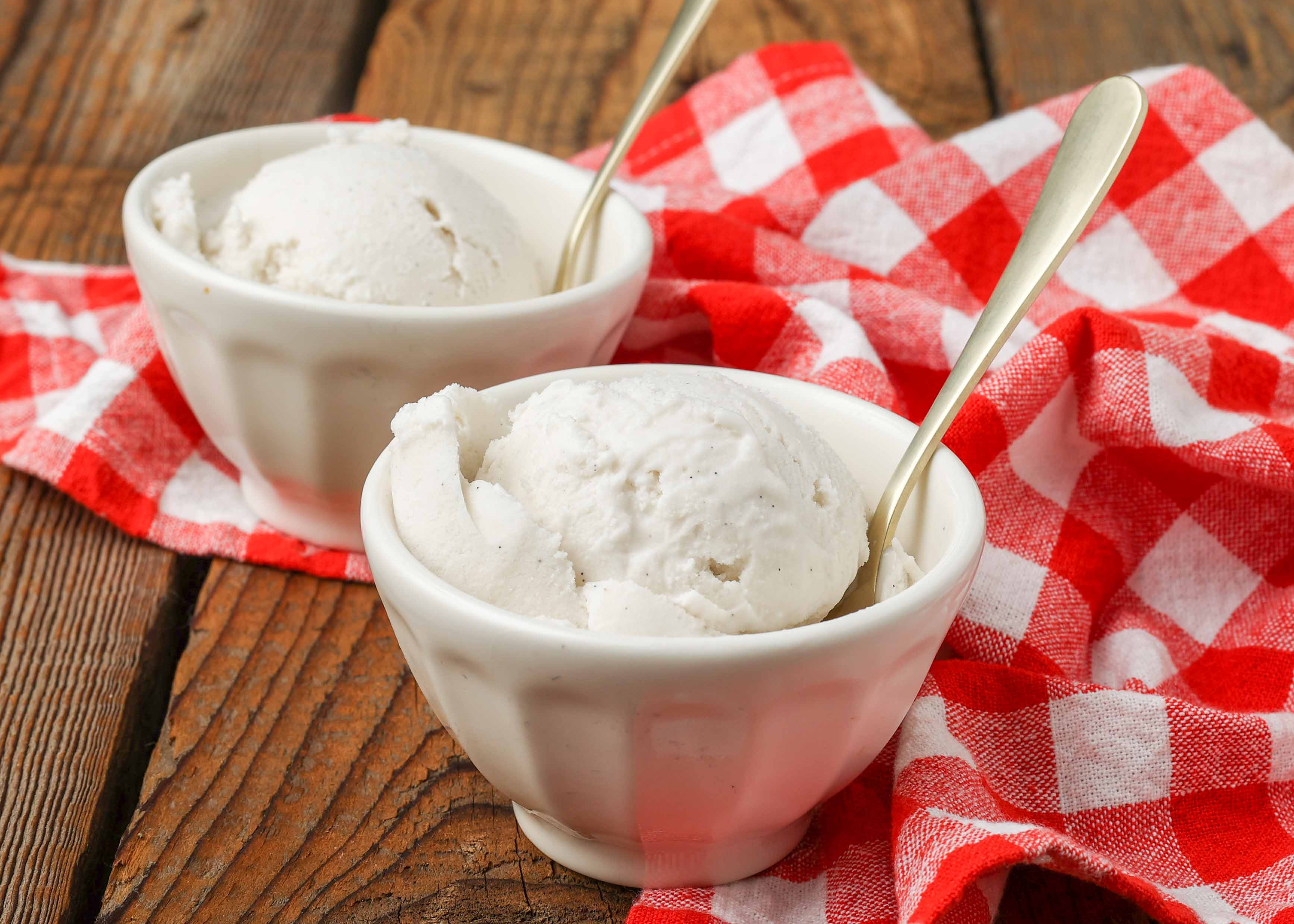
Prevent Ice Crystals: Your Guide to Perfect Vanilla Bean Coconut Milk Ice Cream
Imagine a scoop of luscious, incredibly smooth ice cream, bursting with the delicate aroma of real vanilla, yet completely dairy-free and vegan. That's the dream of homemade vanilla bean coconut milk ice cream. But often, the reality can be a frosty disappointment, riddled with crunchy ice crystals that detract from the otherwise perfect treat. If you've ever battled rock-hard vegan ice cream, you're not alone. The good news? Achieving a silky, scoopable texture that rivals (or even surpasses) commercial dairy-free alternatives is entirely within your reach. With a few expert tips and the right ingredients, you can banish those pesky crystals and enjoy the creamy perfection you crave.
The Quest for Creamy Perfection: Why Homemade Vanilla Bean Coconut Milk Ice Cream Reigns Supreme
There's a special satisfaction that comes with crafting your own desserts, and homemade vanilla bean coconut milk ice cream is no exception. While store shelves are increasingly stocked with dairy-free options, many fall short in texture, often freezing into an impenetrable block or lacking the vibrant flavor of fresh ingredients. Making it yourself offers unparalleled control:
- Unmatched Freshness: You get to choose high-quality ingredients, ensuring a pure and potent vanilla flavor that store-bought versions often miss.
- Superior Texture: With the right techniques, homemade surpasses the gritty or overly icy consistency sometimes found in commercial products, delivering a truly luxurious mouthfeel.
- Dietary Freedom: For those managing lactose intolerance, dairy allergies, or following a vegan lifestyle, this recipe is a godsend. It offers a healthier way to indulge in the classic taste of vanilla ice cream without compromise.
- Simplicity: Despite its gourmet appeal, this dairy-free ice cream is surprisingly easy to make, often requiring just a handful of pronounceable ingredients.
Compared to many commercially available dairy-free alternatives, your homemade creation will be "worlds better," as one connoisseur put it. It’s a rewarding journey to create something so exquisite from scratch.
Essential Ingredients for Your Ice Crystal-Free Base
The foundation of exceptional vanilla bean coconut milk ice cream lies in its ingredients. Each component plays a vital role, especially when our goal is to prevent the formation of ice crystals.
The Non-Negotiable: Full-Fat Coconut Milk
This is perhaps the most critical ingredient. You absolutely cannot achieve the same creamy results with lite, low-fat, or reduced-fat coconut milk. Full-fat coconut milk provides the necessary fat content that mimics heavy cream, lending richness and preventing the formation of large ice crystals. Look for brands like Thai Kitchen's unsweetened full-fat coconut milk for optimal results.
The Heart of the Flavor: Vanilla Beans (or Extract)
True vanilla beans provide a depth of flavor and beautiful speckles that are hard to beat. Slit them lengthwise, scrape out the fragrant seeds, and add them directly to your base. However, if vanilla beans are unavailable or outside your budget, a high-quality vanilla extract (around 2 tablespoons per recipe) can be a suitable substitute, though the flavor profile will be slightly different. For a truly authentic experience, the real bean is key.
Sweeteners: More Than Just Taste
While sugar (granulated or honey) is essential for sweetness, certain sweeteners also play a crucial role in preventing ice crystals. Liquid sweeteners like honey, agave nectar, or maple syrup are particularly effective because they have a lower freezing point than granulated sugar. This property helps keep the ice cream softer and more scoopable directly from the freezer. If using granulated sugar, ensure it's fully dissolved to prevent a grainy texture.
The Secret Weapons: Arrowroot Starch and Vodka
Here's where we get serious about preventing those dreaded ice crystals, drawing inspiration from expert techniques. Adding a small amount of:
- Arrowroot Starch: This natural thickener helps bind water molecules, preventing them from coalescing into large ice crystals. It contributes to a smoother, more stable texture without a starchy taste.
- Vodka (or other neutral spirit): A splash of alcohol, like vodka, works as an antifreeze. Alcohol has a very low freezing point, which helps to depress the freezing point of the entire ice cream mixture. This keeps the ice cream softer and more pliable even at freezing temperatures, making it easier to scoop. Don't worry, the amount is usually small enough that you won't taste it, but its effect on texture is profound.
These additions, when combined with full-fat coconut milk and proper technique, are the "trick" to achieving a truly rock-hard-free, silky vegan vanilla bean coconut milk ice cream. For more insights on crafting a perfect texture, explore this Creamy Vegan Vanilla Bean Coconut Milk Ice Cream Guide.
Mastering the Method: Tips for a Smooth, Ice Crystal-Free Experience
Ingredients are just one part of the equation; the preparation method is equally important for a truly exquisite result.
The Crucial Heating Step
Do not skip the heating step! In a small saucepan, whisk together your coconut milk, sugar/liquid sweetener, salt, and vanilla (scraped beans or extract). Bring the mixture almost to a boil, then reduce heat and simmer for just a few minutes, until the sugar is completely dissolved and the vanilla has had a chance to infuse. If using arrowroot starch, it's typically whisked in during this heating phase to activate its thickening properties. Skipping this step can lead to clumpy ice cream and undissolved sugar crystals, which act as nuclei for ice formation. This step also pasteurizes the mixture and ensures a homogenous base.
Chill, Chill, Chill
After heating, allow the mixture to cool completely, then transfer it to an airtight container and chill in the refrigerator for at least 4 hours, or ideally, overnight. A thoroughly chilled base is paramount for an ice cream maker to churn efficiently and create the finest ice crystals possible, resulting in a smoother final product. The colder your base, the faster it will freeze during churning, which directly impacts the size of the ice crystals formed.
Churning for Creaminess: With or Without an Ice Cream Maker
- With an Ice Cream Maker: This is the easiest and most effective way to achieve a consistently creamy texture. Once your base is perfectly chilled, pour it into your ice cream maker and freeze according to the manufacturer’s directions. The continuous churning motion prevents large ice crystals from forming, incorporating air for a lighter, softer texture.
- No-Churn Alternative: If you don't own an ice cream maker, you can still make delicious dairy-free vanilla bean ice cream. Pour the chilled mixture into a shallow glass or steel bowl, cover it with plastic wrap, and place it in the freezer. Remove it every hour for the first 3-4 hours and whisk it vigorously with an electric mixer or whisk. This manual churning process breaks up ice crystals as they form, mimicking the action of an ice cream machine. Continue until it reaches your desired soft-serve consistency. While more labor-intensive, it’s a viable alternative for a creamy outcome.
Optimal Storage for Scoopability
When finished churning, you can serve your ice cream immediately for a soft-serve texture. If you prefer a firmer scoop, transfer it to an airtight freezer-safe container and place it in the freezer for a few hours. Because vanilla bean coconut milk ice cream tends to melt a bit faster than dairy ice cream, thanks to its composition, proper storage is key. Always use an airtight container to prevent freezer burn and keep it at the back of the freezer where temperatures are most consistent.
Beyond the Scoop: Serving Suggestions and Customizations
While this vanilla bean coconut milk ice cream is absolutely fantastic on its own, its delicate flavor makes it a perfect canvas for countless additions. It's truly an Easy Homemade Dairy-Free Vanilla Bean Ice Cream that caters to all tastes.
- Classic Pairings: Top with fresh strawberries, raspberries, or a drizzle of homemade chocolate syrup for a timeless delight.
- Tropical Twist: Sprinkle with toasted coconut flakes, slivered almonds, or a swirl of mango puree to enhance the coconut undertones.
- Decadent Indulgence: Mix in vegan chocolate chips, crushed vegan cookies, a swirl of peanut butter, or even a shot of espresso for an affogato-style treat.
- Flavor Boosts: Consider adding a pinch of cinnamon or cardamom to the base during the heating step for a more complex aroma.
The versatility of this base means you can let your imagination run wild, creating a new experience with every batch.
Mastering the art of preventing ice crystals in your vanilla bean coconut milk ice cream transforms a good dessert into an exceptional one. By understanding the critical roles of full-fat coconut milk, liquid sweeteners, arrowroot starch, and even a touch of vodka, along with meticulous preparation steps like proper heating and chilling, you can achieve a dairy-free treat that is incredibly smooth, rich, and perfectly scoopable. Bid farewell to rock-hard vegan ice cream and say hello to your new favorite frozen indulgence – a creamy, vanilla-infused masterpiece that proves homemade truly is the best.
